
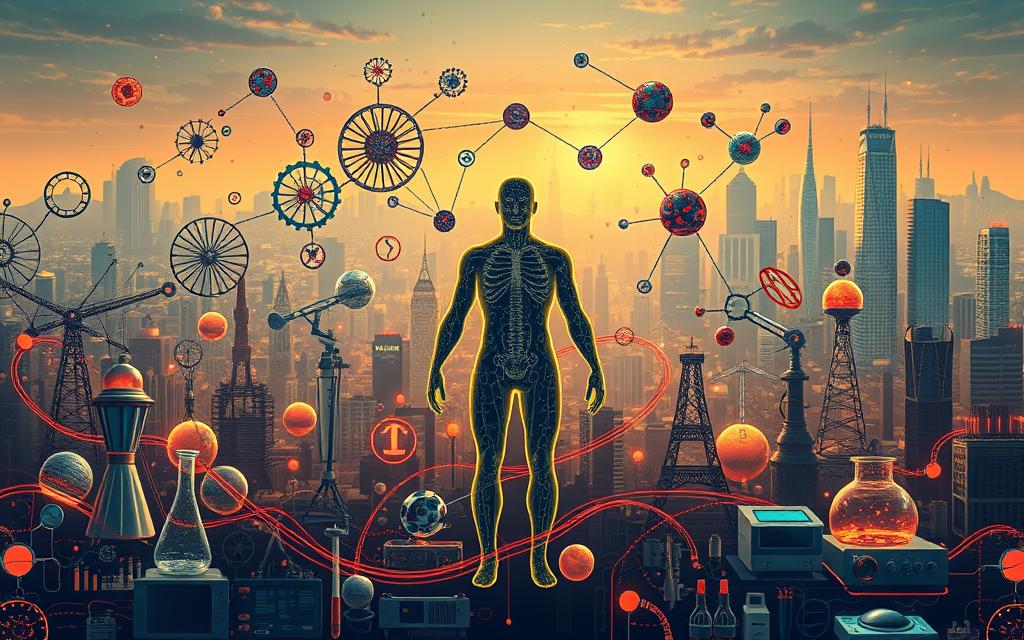
Imagine a world where diseases spread without treatments. This shows how vital biotechnology and biomedical engineering are today.
Bio-related technology uses biological systems for new purposes. It includes biotechnology and bioengineering.
These sciences aim to better human health and wellbeing. They also help in agriculture and protecting the environment.
Though connected, biotechnology and bioengineering have their own ways. Together, they tackle big global problems.
This introduction to biological engineering shows how these fields change our world. They are among the most exciting tech advancements today.
What is Bio-Related Technology?
Bio-related technology is a fast-growing field that links biology with new tech. It uses biological systems and engineering to solve big problems in many areas. This field is changing how we tackle challenges in science and technology.
Defining the Umbrella Term
“Bio-related technology” is a wide term that covers many special areas. It shows how science and engineering come together. This mix helps us understand and work with biological systems in new ways.
Scope and Inclusive Technologies
The bio-related tech scope is very wide. It includes many different technologies from various fields. For example:
- Medical diagnostics and therapeutic devices
- Agricultural biotechnology and crop science
- Environmental monitoring and remediation systems
- Industrial bioprocessing and manufacturing
- Computational biology and bioinformatics
This broad range shows how biology and tech work together. Together, they create new solutions for many industries.
Related Posts:
- How Technology Affects Urbanization Smart Cities and…

- What Can We Do With Technology Endless Possibilities

- What Is Sip and Puff Technology Assistive Device Control

- Technologies Used in E-commerce Platforms and…

- How Many Students Have Access to Technology at Home…

- What Does Raytheon Technologies Make Defense and…

Biotechnology: Utilisation of Living Systems
Biotechnology uses living systems utilisation to make new products and processes. The University of North Dakota says, “Biotechnology uses living organisms, cells, and systems to create products and technologies that help us and our planet.”
Biotechnology has a long history, starting with ancient practices like fermentation and selective breeding. These old methods have grown into advanced technologies today:
- Genetic engineering and recombinant DNA technology
- Advanced fermentation processes for pharmaceuticals
- Stem cell research and regenerative medicine
- Enzyme technology for industrial applications
This journey from simple methods to precise genetic editing is a huge scientific achievement.
Bioengineering: Application of Engineering Principles
Bioengineering applies engineering principles in biology to solve medical and biological problems. It creates real devices, processes, and systems that work with biological systems.
Design and Problem-Solving Focus
Bioengineering focuses on solving problems with engineering methods. The University of North Dakota says, “Biomedical engineering is a special part of engineering that connects engineering with medicine.” It includes:
- Designing medical devices and diagnostic equipment
- Developing prosthetic limbs and implantable devices
- Creating biomedical imaging systems
- Designing bioprocesses for manufacturing
The core of bioengineering is its careful approach to solving biological problems through design and innovation.
Distinguishing Biotechnology from Bioengineering
Biotechnology and bioengineering both focus on biology but have different approaches. It’s important for students and professionals to understand these differences.

Core Objectives and End Goals
Biotechnology uses biological systems to make products and processes. It aims to use living organisms for useful things.
Some goals of biotechnology include:
- Creating drugs with microbes
- Making biofuels from plants
- Producing enzymes for industry
Bioengineering, on the other hand, uses engineering to solve biological problems. It aims to find solutions for health and biological issues.
Some goals of bioengineering are:
- Designing medical devices
- Creating prosthetics and implants
- Developing tissue engineering solutions
Methodological Differences
Biotechnology mainly uses lab techniques to work with biological systems.
Some key methods in biotechnology are:
- Genetic engineering and DNA manipulation
- Fermentation and bioprocessing
- Cell culture and making monoclonal antibodies
Bioengineering, by contrast, uses engineering design and analysis. It combines mechanical, electrical, and materials engineering.
Some common methods in bioengineering are:
- Computer-aided design and modelling
- Biomechanical testing and analysis
- Signal processing and imaging
Educational Pathways and Skill Sets
The education needed for each field is different. Biotechnology focuses on biological sciences and lab skills.
The University of North Dakota says biotechnology needs:
Knowing molecular biology, microbiology, biochemistry, and genetic engineering. Good lab skills and understanding of biology are key.
Bioengineering education, on the other hand, combines engineering with biology. It teaches engineering principles applied to biological systems.
The same university states that biomedical engineering requires:
A strong base in anatomy, physiology, and materials science. You also need to know engineering math, design, and biomechanics.
These educational paths lead to different careers. Biotechnology graduates often work in pharmaceuticals and bioprocessing.
Bioengineering graduates usually go into medical device development, rehabilitation engineering, or biomedical research.
Fundamental Techniques in Biotechnology
Modern biotechnology uses key methods to work with biological systems. These methods help scientists in healthcare, agriculture, and industry.
Genetic Engineering and DNA Manipulation
Genetic engineering is a big change in science. It lets researchers change an organism’s DNA for new traits or functions.
Scientists use tools to add, remove, or change DNA. This makes proteins, enzymes, or new organisms with better abilities.
CRISPR-Cas9 and Gene Editing Tools
The CRISPR-Cas9 system has changed genetic editing. It’s like molecular scissors that cut DNA precisely.
Researchers use CRISPR for many things:
- Fixing genetic problems that cause diseases
- Making crops resistant to diseases
- Creating advanced research models
Other tools like TALENs and zinc finger nucleases exist. But CRISPR is most popular because it’s easy and flexible.
Fermentation and Bioprocess Engineering
Fermentation is an old biotechnology method. Now, it’s improved with fermentation bioprocessing techniques. It turns organic stuff into products using microorganisms.
Today, fermentation is more than making food and drinks. It’s key for making medicines, chemicals, and biofuels.
Industrial Applications and Scale-Up
Going from small-scale fermentation to big production needs careful planning. Scientists must tweak many things for large-scale success.
Important things to consider are:
- Choosing the right microorganisms and improving their genes
- Creating the right food for them and how to feed them
- How to mix and add oxygen efficiently
- Keeping the right temperature and pH
Scaling up helps make important medicines, vaccines, and proteins in big amounts.
Cell Culture and Tissue Engineering
Cell culture lets scientists grow cells in controlled environments. Recent cell culture advances have opened up new possibilities.
Now, cell culture is more than just keeping cells alive. Scientists create complex structures that mimic natural tissues.
Advances in Regenerative Medicine
Tissue engineering combines cell culture with materials to make biological substitutes. It’s made big strides in fixing damaged tissues and organs.
Big achievements include:
- Growing skin for burns
- Making cartilage and bone for repairs
- Creating blood vessels and heart valves
- Building mini organs for drug tests
These advances offer hope for organ shortages and better drug testing.
Essential Principles of Bioengineering
Bioengineering uses engineering to improve biological systems. It creates new solutions that mix biology and technology. This field uses knowledge from many areas to make medical devices and materials that change healthcare.
Biomechanics and Biomaterials
Biomechanics principles study how forces affect living things. Engineers look at movement and material properties to make devices that work like our bodies.
Biomaterials science makes safe materials for our bodies. These materials need to be strong, safe, and work well in our bodies.
Development of Medical Implants
Medical implants use biomechanics and biomaterials. Things like artificial joints and stents need careful engineering for safety and performance.
Today, implants are made with advanced materials like titanium. These materials must handle body stresses and not cause immune reactions.
Biosignal Processing and Imaging
Biosignal processing imaging turns body signals into useful info. It mixes electronics with biology to understand our bodies better.
Advanced tech filters out noise, making images clearer. This is key for modern medical imaging.
Innovations in Diagnostic Equipment
Diagnostic tools have improved a lot. MRI and ultrasound machines now show more about our bodies.
New devices are smaller and faster. They help doctors diagnose quicker and more easily.
Synthetic Biology and System Design
Synthetic biology design sees biology as engineering. It uses design and standardisation to work on biological parts.
Scientists make biological systems that can be controlled. This lets them work on cells like engineers work on machines.
Engineering Biological Circuits
Biological circuits are like electronic ones but use biochemistry. Scientists design genetic networks that can do logic in cells.
These systems can do things like help with diseases and sense the environment. The field is getting better at making more complex systems.
Healthcare and Medical Applications
Bio-related technologies have changed healthcare a lot. They have made new ways to help patients and make treatments work better. This mix of biotechnology and bioengineering has led to big changes in many medical areas.
Pharmaceuticals and Therapeutics
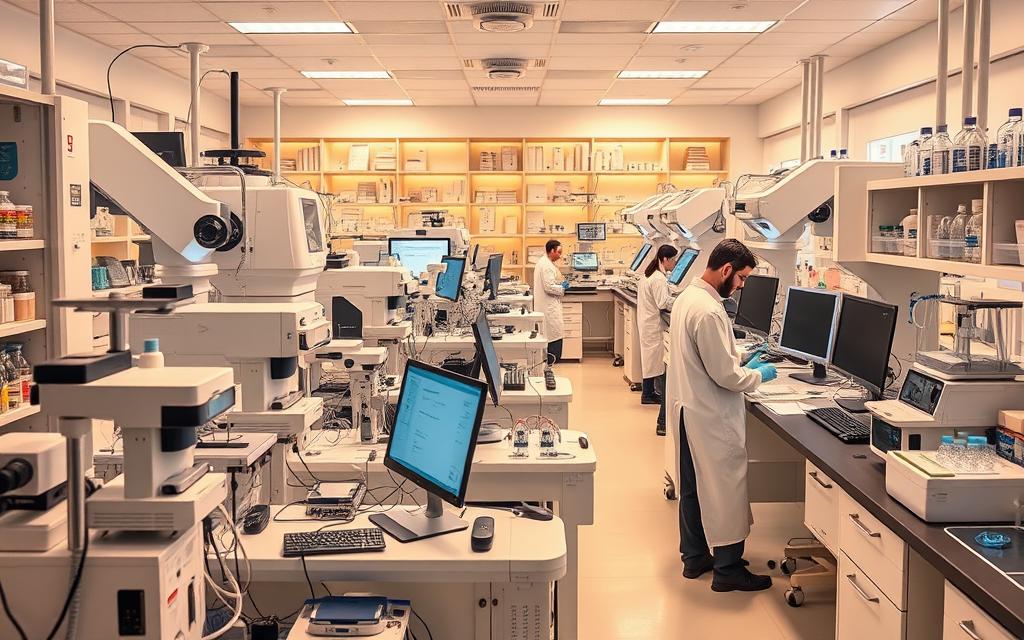
Modern pharmaceuticals therapeutics are huge wins in medical biotechnology. Scientists use living cells to make new treatments. These treatments aim at diseases with great precision.
Monoclonal Antibodies and Vaccine Production
Monoclonal antibodies are powerful against many diseases, like cancer and autoimmune disorders. They act like the immune system to fight off harmful pathogens.
Vaccine making has also improved a lot thanks to biotechnology. New methods help make vaccines faster and more effective. This has been seen during big health crises.
Medical Devices and Prosthetics
Bioengineering has changed how medical devices and prosthetics are made. Engineers use biology and technology to create new healthcare tools.
As the University of North Dakota says, “Making medical devices, diagnostic tools, and treatments is a key part of bioengineering.”
Artificial Organs and Assistive Technologies
Artificial organs are big steps forward in medical tech. Scientists have made working replacements for organs like hearts and kidneys. This gives hope to those waiting for transplants.
Assistive technologies are also getting better. They use new materials and smart systems. This helps people with physical issues live better lives.
Diagnostics and Personalised Medicine
Diagnostics have moved towards more personal approaches. Personalised medicine diagnostics tailor treatments to each person’s genes and health.
Genomic Testing and Biomarker Discovery
Genomic testing is now easier to get. It shows how likely you are to get certain diseases and how well you’ll react to treatments. These tests look at DNA to help make medical choices.
Finding biomarkers is another big step in diagnostics. Researchers find signs in the body that show health status, disease progress, or how well treatments work.
| Application Area | Biotechnology Contribution | Bioengineering Contribution | Patient Impact |
|---|---|---|---|
| Drug Development | Monoclonal antibody production | Delivery system design | Targeted therapy with fewer side effects |
| Medical Devices | Biosensor technology | Device manufacturing and integration | Improved monitoring and treatment accuracy |
| Diagnostics | Biomarker identification | Testing equipment development | Earlier detection and personalised treatment plans |
| Prosthetics | Biocompatible materials | Mechanical design and control systems | Enhanced mobility and functionality |
Working together, biology and engineering are making healthcare better. Their teamwork is solving big medical problems and improving care for patients.
Agricultural and Environmental Biotechnology
Biotechnology is changing the game in food security and environmental health. It uses biological systems to create solutions for agriculture and ecosystems.
Genetically Modified Crops
Genetically modified organisms are a big leap in farming. Scientists change plant DNA to add traits that take too long or don’t happen naturally.
Enhancing Yield and Resistance
GM crops are made to grow better and last longer. They can handle tough weather and need less chemical help.
These changes include:
- Drought tolerance for saving water
- Pest resistance for natural protection
- Herbicide tolerance for easier weed control
- Better nutrition for healthier food
Farmers see these changes as key to keeping food supplies steady, even with the weather changing.
Bioremediation Techniques
Bioremediation is a green way to clean up the environment. It uses living things to get rid of pollutants.
Cleaning Pollutants with Microorganisms
Special microbes eat and break down bad stuff into safer parts. It’s a natural way to clean up, better than old methods.
It works well for:
- Cleaning up oil spills in the sea
- Removing heavy metals from industrial waste
- Breaking down pesticides in water
- Improving wastewater treatment
Biofuel Production
Biotechnology also helps make renewable energy. Biofuels from plants and animals are a green alternative to fossil fuels.
Sustainable Energy Sources
Microorganisms turn biomass into energy through fermentation. This uses waste, special crops, and even algae.
Big biofuel types are:
- Ethanol from corn and sugarcane
- Biodiesel from oils and fats
- Biogas from organic waste
- Advanced biofuels from non-food sources
These efforts cut down on greenhouse gases and help us use less fossil fuel.
Industrial and Manufacturing Biotechnology
Industrial biotechnology changes how we make things, using nature’s methods to make products better and greener. It uses biological systems to improve production in many areas.
Enzyme and Microbial Technologies
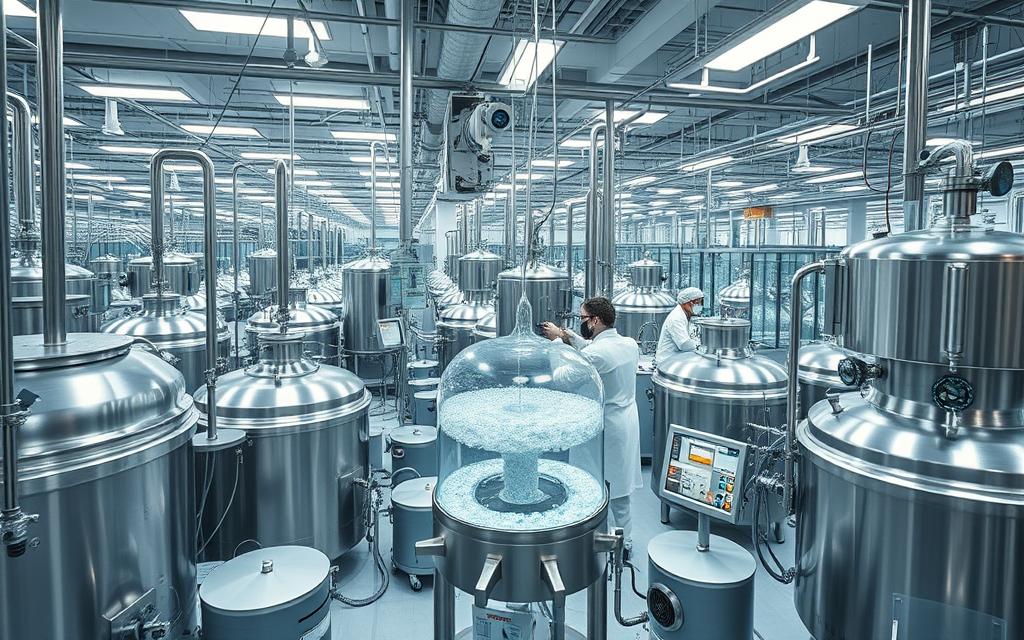
Microorganisms and enzymes are like nature’s factories in industrial biotech manufacturing. They do chemical changes well, using less energy and making less waste.
Enzyme microbial technologies help many industries:
- Detergent formulations with stain-removing enzymes
- Textile processing for fabric softening and stone-washing effects
- Paper manufacturing for pulp bleaching and de-inking
Applications in Chemicals and Materials
Special microbes now make chemicals that used to come from oil. This green way of making things is a big change for industry.
| Traditional Chemical | Bio-Based Alternative | Production Microorganism |
|---|---|---|
| Acrylic acid | Bio-acrylic acid | Genetically modified E. coli |
| Adipic acid | Bio-adipic acid | Engineered yeast strains |
| 1,3-Propanediol | Bio-PDO | Modified bacteria |
Bioplastics and Biodegradable Materials
Bioplastics sustainable materials are a big step towards solving environmental problems in making things. They are good alternatives to regular plastics and help us use less oil.
“Bioplastics represent not just an alternative material, but a fundamental shift towards circular economic models in manufacturing.”
Reducing Plastic Waste
Bioplastics break down better than regular plastics, helping to clean up landfills and oceans. PLA and PHA are leading the way in this green change.
Big benefits include:
- Less carbon footprint during making
- Can compost under industrial conditions
- Uses renewable stuff like corn starch
Food Technology Innovations
Biotech has changed food making, bringing new ways to make and improve food. It makes food healthier and safer for everyone.
Nutraceuticals and Safety Enhancements
Nutraceuticals are foods that are good for you beyond just eating. They are made with enzymes and microbes, making them consistent and precise.
For safety, we have biosensors to find pathogens and enzymes that cut down on food allergens. These help keep food safe and nutritious.
Using biology in making things is changing how we do things, making it better for both business and the planet.
Ethical and Regulatory Considerations
The fast growth of bio-related technologies raises big questions about how to develop and use them responsibly. These new technologies need careful ethical checks and strong rules to make sure they help society and don’t harm it.
Ethical Dilemmas in Genetic Modification
Genetic modification is a big challenge in science today. It has great possibilities but also big moral issues that need deep thought.
Debates on Human and Environmental Ethics
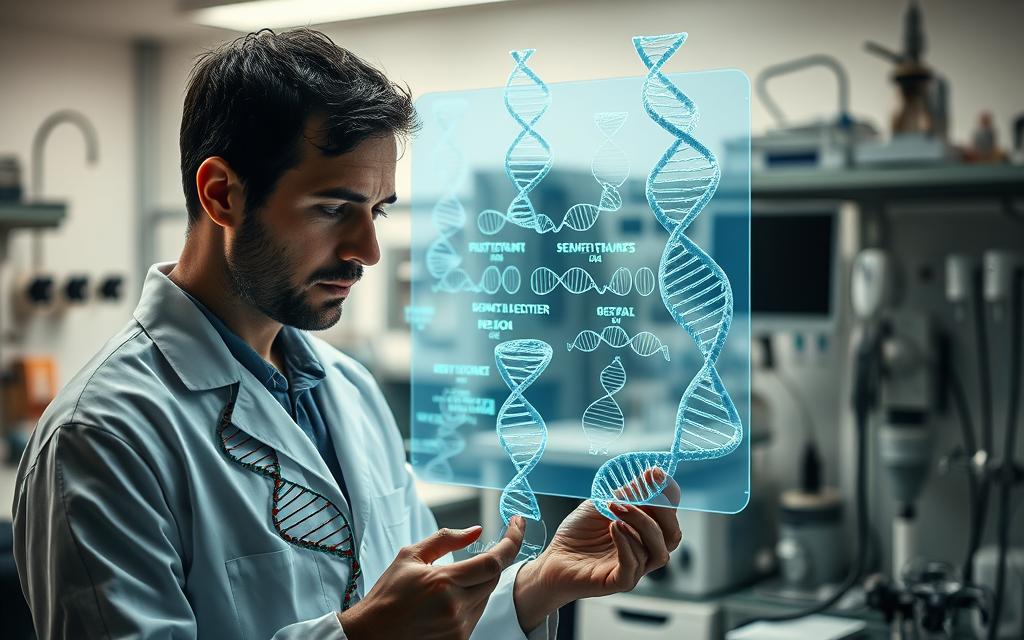
Genetic engineering of humans is a hot topic, with many arguing about the limits of science. Some fear the bad effects and the chance of creating unfair genetic differences.
There are also worries about how these changes might affect the environment and our natural world. We need to carefully check the risks and watch how these new organisms do in nature.
Regulatory Frameworks and Safety
Good rules are key to making biotechnology safe. These rules make sure products are safe before they get to people.
The University of North Dakota says following the rules is very important. It helps keep people and the planet safe.
US FDA and International Guidelines
The US Food and Drug Administration has clear rules for biotechnology products. They check these products very carefully before they can be used.
Groups like the WHO and OECD help make sure rules are the same everywhere. This helps keep things safe all over the world.
Public Perception and Education
How people see new technologies is very important. If they don’t understand, they might be scared and hold back progress.
Good science communication helps people understand complex ideas. Sharing clear information builds trust and helps everyone talk about these new technologies.
Addressing Myths and Promoting Understanding
Many people don’t get genetic modification because they don’t know much about it. Teaching people helps clear up wrong ideas.
Good public talks involve explaining the good and bad sides of new technologies. Talking openly between scientists, regulators, and the public helps everyone see the bigger picture.
Recent Advancements and Breakthroughs
The world of bio-related technology is changing fast. New discoveries are happening in many areas. These changes are making a big difference in healthcare, research, and how we tackle environmental issues.
Genomics and Proteomics
Genomics and proteomics have made huge strides. Scientists can now study genes quickly and accurately. This has opened up new ways for personalised medicine and understanding diseases.
High-Throughput Sequencing Technologies
New sequencing tools have changed genetic research. They make it cheaper and faster. Now, researchers can look at thousands of DNA samples at once, speeding up discoveries in genetics and evolution.
These new tools can make a whole human genome in hours, not weeks. This fast work is changing how we diagnose and treat genetic diseases.
Bioprinting and Organ-on-a-Chip
Tissue engineering has reached a new level with bioprinting. Scientists can now make three-dimensional structures with living cells. This could lead to new ways to replace organs and test drugs.
Future Directions in Medicine
Organ-on-a-chip technology is another big step forward. These tiny devices have human cells that act like real organs. They help test drugs and study diseases more accurately.
These advances could soon replace animal testing. They could also help create custom tissue models for each patient. This is a very exciting area in medicine.
Artificial Intelligence in Bio-Related Fields
Artificial intelligence is changing how we solve biological problems. AI can look through huge amounts of data that humans can’t. It finds patterns and connections that we might miss.
Machine Learning for Drug Discovery
AI is speeding up drug development. It predicts how molecules interact and finds new drug candidates. It looks at chemical structures and biological pathways to find promising compounds.
AI is used in many areas of biotechnology, not just drug discovery. It helps with diagnostic imaging, predicting patient outcomes, and finding the best treatments. This helps doctors make better decisions with detailed data.
AI can cut drug development time from years to months and reduce costs. This is a big change for pharmaceutical companies.
Future Trends and Innovations
The world of bio-related technology is growing fast, bringing new solutions to big problems. These new fields help us use biology to improve health and protect the environment.
Emerging Areas like Nanobiotechnology
Nanobiotechnology mixes nanotechnology with biology, opening up new areas for medicine and the environment. It works at a molecular level, making things possible that were once thought impossible.
Scientists are working on tiny drug carriers that can find and treat cancer cells. They’re also making tiny sensors to spot diseases early. This could change how we fight diseases.
Nanobiotechnology is not just for medicine. It can also clean up pollution and make green products. For example, it could make water filters work better and help solar panels work more efficiently.
But, there are big challenges ahead. We need to make sure these tiny technologies are safe and work well. We also have to think about how they might affect the environment and get people to accept them.
Global Health Initiatives
Biotech is changing how we fight diseases worldwide. New vaccines and quick tests are key to staying ahead of pandemics.
Pandemic Response and Preparedness
The COVID-19 pandemic showed how fast mRNA vaccines can be made. In the future, we might use synthetic biology to fight diseases even faster.
Tools like portable DNA sequencers and AI models are helping us spot health threats early. They help us track diseases and stop them from spreading.
Sustainability and Climate Solutions
Biotech is also helping us tackle climate change and pollution. It uses nature to find green ways to do things that used to harm the environment.
Biotechnological Approaches to Environmental Issues
One big idea is using microbes to capture carbon dioxide. These tiny organisms can turn bad emissions into useful products, helping us reduce pollution.
There are also new biofuels made from plants and algae. These fuels are clean and don’t take away from food production. Plus, biodegradable plastics made by bacteria could replace harmful plastics.
| Application Area | Technology | Potential Impact | Timeline |
|---|---|---|---|
| Carbon Capture | Engineered Microalgae | Significant CO₂ reduction | 5-10 years |
| Water Purification | Nanofiltration Systems | Clean water access | 3-7 years |
| Disease Detection | Portable DNA Sequencers | Early outbreak identification | 2-5 years |
| Sustainable Materials | Bacterial Bioplastics | Reduced plastic pollution | Currently available |
These biotech climate solutions show how biology can help make industries greener. By combining engineering with biology, we’re finding new ways to solve environmental problems.
The future of future trends bioengineering looks bright. We’ll see biology in more of our daily lives, from medicine to protecting the planet. These innovations are inspired by nature and aim to solve big global challenges.
Conclusion
Biotechnology and bioengineering are two important fields in bio-related technology. Biotechnology uses living systems for practical goals. Bioengineering, on the other hand, applies engineering to solve biological problems. Anyone researching bio related biotechnology may also want to understand raytheon technologies make defense before deciding on the best option. Together, they create a strong partnership that boosts innovation in many areas.
These fields have made a big difference in healthcare, farming, making things, and looking after the environment. They help make life-saving medicines and advanced medical tools. Their work tackles big global issues and finds ways to make things better for everyone.
The future of biotech and bioengineering looks very promising. The University of North Dakota says these fields will keep changing healthcare and technology. New areas like nanobiotechnology and AI will bring even more progress. This shows how vital bio-related technology is for a better, greener future.
FAQ
What is the difference between biotechnology and bioengineering?
Biotechnology uses living systems to make products like medicines or biofuels. Bioengineering, on the other hand, uses engineering to solve biological and medical problems. It often leads to the creation of devices like prosthetics or diagnostic tools.
How does genetic engineering contribute to modern biotechnology?
Genetic engineering, with tools like CRISPR-Cas9, lets scientists change DNA. This helps create new medicines, improve crops, and advance healthcare and industry.
What are some key applications of bioengineering in healthcare?
Bioengineering helps healthcare by making medical devices like artificial joints. It also creates advanced imaging systems and assistive technologies. These include artificial organs and diagnostic tools tailored for each person.
How is biotechnology used in agriculture?
Biotechnology in agriculture makes crops better by improving yield and resistance to pests. It also helps crops survive in harsh conditions, addressing food security issues.
What ethical issues are associated with genetic modification?
Genetic modification raises concerns about its impact on the environment, food safety, and animal welfare. It also brings up questions about editing human genes. These issues need careful thought and public discussion.
What role does bioengineering play in environmental sustainability?
Bioengineering helps the environment by using microorganisms to clean pollutants. It also develops biofuels and biodegradable materials. This reduces harm to the environment and our reliance on fossil fuels.
How is artificial intelligence integrated into bio-related technologies?
Artificial intelligence speeds up drug discovery and improves diagnostic accuracy. It also helps predict patient outcomes. This makes biotechnology and bioengineering more efficient and based on data.
What educational background is needed for a career in biotechnology versus bioengineering?
Biotechnology needs knowledge in molecular biology, genetics, and biochemistry. Bioengineering requires a strong base in engineering, anatomy, materials science, and design. This is reflected in different degree programs and skills.
How do regulatory bodies like the US FDA oversee bio-related technologies?
Regulatory bodies like the US FDA check if products are safe and work well. They do this through testing, approval, and ongoing monitoring. This includes pharmaceuticals, medical devices, and genetically modified organisms.
What are bioplastics, and how do they benefit the environment?
Bioplastics come from renewable sources and are often biodegradable. They offer a green alternative to traditional plastics. This helps reduce pollution and our need for oil-based plastics.
What is synthetic biology, and how does it relate to bioengineering?
Synthetic biology designs and builds new biological parts and systems. It uses engineering to create predictable biological behaviors. This is key to bioengineering’s mission to solve medical, industrial, and environmental challenges.
How is personalised medicine advancing through bio-related technologies?
Personalised medicine uses genetic testing and data analytics to tailor treatments. This improves treatment success and reduces side effects. Advances in biotechnology and bioengineering drive this progress.