
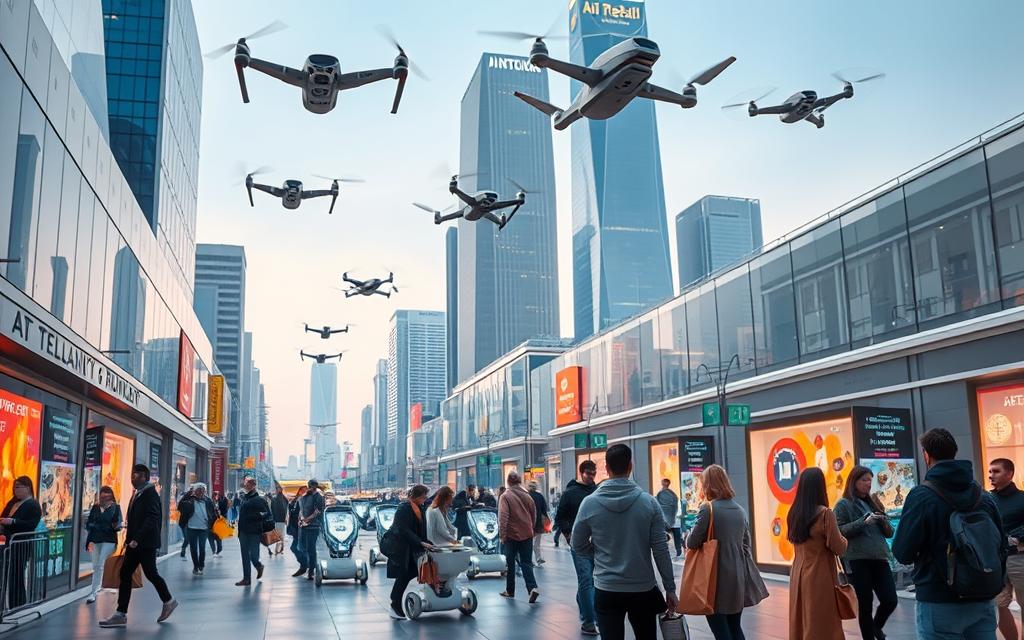
The retail world is changing in big ways. It started with online shopping and now it’s much more advanced.
Artificial Intelligence is now a real part of our shopping lives. Over half of American shoppers use AI tools like ChatGPT for their shopping.
This change is huge. Ninety-five percent of online stores say they make a lot of money from AI. It shows how much AI is changing how things work.
AI is changing everything in retail. It’s making marketing, logistics, and customer service better. These retail technology trends are making shopping more personal and efficient.
The change is big and it’s changing how we shop. It’s making a new future for shopping that’s better for everyone.
The Digital Transformation of Retail Spaces
The retail world has changed a lot, moving from just physical stores to a digital mix. This change is more than adding online shopping. It’s a big shift in how stores work and connect with customers everywhere.
From Brick-and-Mortar to Click-and-Order
Stores are now moving online fast. By 2025, 21% of all shopping will be online. This big change is about more than just shopping online. It’s about wanting easy access, a wide choice, and personal experiences.
Retailers are spending a lot on making stores digital. They’re adding things like digital kiosks and mobile links. This helps connect online and offline shopping.
Related Posts:
- Technologies Used in E-commerce Platforms and…
- What Can We Do With Technology Endless Possibilities

- How Technology Affects Urbanization Smart Cities and…

- What Is Bio-Related Technology Biotechnology and…
- How Many Students Have Access to Technology at Home…

- What Is Sip and Puff Technology Assistive Device Control

“The future of retail isn’t about online versus offline—it’s about creating seamless experiences that transcend channels.”
But, there are challenges. The global cart abandonment rate is 70.22%. To fix this, stores need to make shopping easy and support customers well.
The Rise of Omnichannel Experiences
Today’s top stores use an omnichannel retail strategy. They make shopping smooth across apps, websites, and stores. A customer might look online, check stores on their phone, and buy in person. It’s all one journey.
The strength of omnichannel is in using data well. What you do online can change what you see in stores. And what you buy in stores can shape what you see online. This makes shopping better and keeps customers coming back.
| Retail Channel | 2020 Penetration | 2025 Projection | Key Growth Driver |
|---|---|---|---|
| Physical Stores | 84% | 79% | Experiential retail |
| E-commerce | 16% | 21% | Mobile optimisation |
| Omnichannel | 35% | 62% | Seamless integration |
This mix of online and offline is the future of retail. It’s where the lines between channels disappear. The stores that get this right will lead in a tough market.
E-commerce Revolution: Beyond Basic Online Shopping
The digital marketplace has grown a lot. It now includes many platforms, personal experiences, and easy shopping. These changes mix online and offline shopping in new ways.
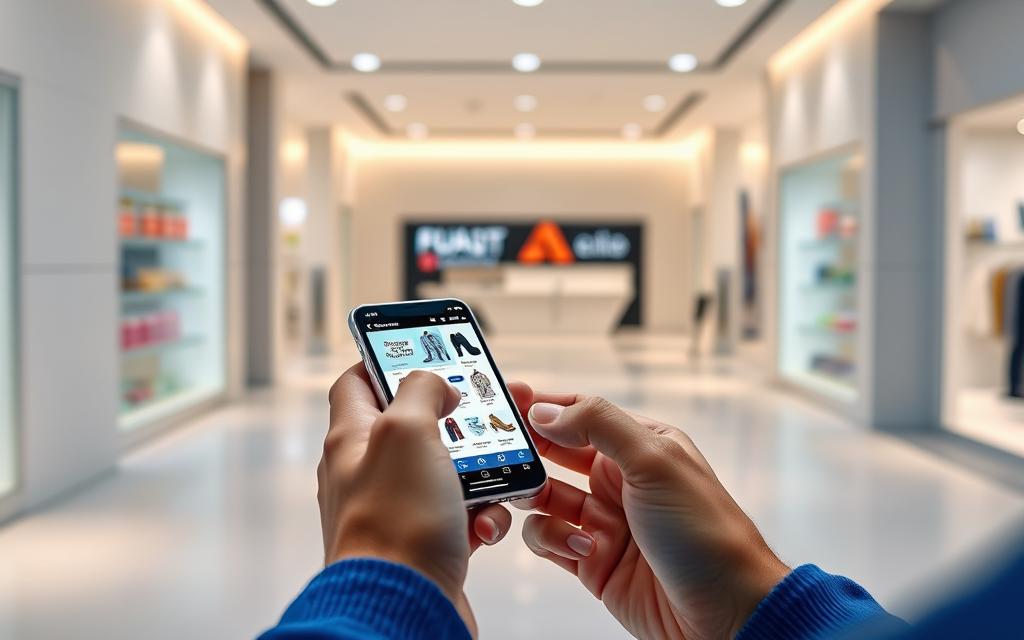
Mobile Commerce and App-based Shopping
Smartphones are key for online shopping, with m-commerce making up over 60% of sales. This ease of shopping anywhere, anytime has changed how people shop.
Shopping apps make things even better. They offer:
- Quick buy options
- Customised alerts
- Special deals only for app users
- Loyalty rewards
Voice search is the next big thing in mobile shopping. With 58.6% of Americans using it, shops are getting ready for voice commands.
Social Commerce Integration
Social media is now more than just for marketing. Social media shopping lets people buy things right from their favourite apps.
Instagram and TikTok lead the way with shoppable posts and live shopping. This makes buying easy and fun, using social proof.
| Platform | Shopping Features | Consumer Adoption Rate |
|---|---|---|
| Shoppable posts, checkout integration | 44% of users make weekly purchases | |
| TikTok | Live shopping, product links | 37% impulse purchase rate |
| Product pins, visual search | 52% discovery-to-purchase conversion |
Subscription Models and Personalised Offerings
The move to recurring revenue models is big for retail. Subscriptions offer steady income and strong customer ties.
Personalisation is key to good subscriptions. By using data, shops can offer unique experiences to each customer.
Retailers with full personalisation get 40% more sales than those without.
But, only 1 in 10 shops use personalisation everywhere. This is a big chance for those who invest in data.
Top subscription services have a few things in common:
- Easy to cancel
- Regular updates
- Different price levels
- Community features
These features turn one-time buyers into loyal customers. This creates a steady income that can handle market ups and downs.
Artificial Intelligence: The Brain Behind Modern Retail
Artificial intelligence is now at the heart of modern retail. It changes how businesses know their customers and run their operations. Unlike old systems, AI learns, predicts, and changes to make shopping better.
Machine Learning for Customer Insights
Retailers use advanced algorithms to study huge amounts of data. This helps them understand what customers buy, why they buy it, and how they feel about it. It’s more than just knowing who they are.
These systems look at many things:
- Purchase history and browsing patterns
- Social media interactions and engagement
- In-store movement captured through sensors
- Customer feedback and service interactions
This info lets retailers send messages and suggest products that really speak to each customer.
AI-powered Chatbots and Customer Service
Customer service has changed a lot with AI. Now, about 70% of customer chats are handled by AI without human help.
Today’s chatbots can understand what you mean and how you feel. They can answer questions about products, delivery, and returns. Generative AI makes these chats even more natural.
These systems are always on, answer quickly, and let humans deal with harder issues. They need people’s skills for solving tricky problems.
Predictive Analytics for Inventory Management
Managing stock has changed from reacting to planning ahead with AI. Advanced demand forecasting AI looks at many things to guess sales with great accuracy.
It considers:
- Historical sales data and seasonal patterns
- Weather forecasts and local events
- Economic indicators and market trends
- Competitor promotions and social media buzz
Using AI in logistics saves 15% on costs, improves inventory by 35%, and boosts service by 65%. It keeps stock levels right, cuts waste, and stops lost sales.
AI helps keep profits up and makes sure customers can find what they need.
Personalisation Technologies Shaping Customer Experiences
Modern retail has moved away from one-size-fits-all. Now, artificial intelligence makes shopping more personal. It uses customer data to create unique experiences that keep customers coming back.
Studies show how effective these technologies are. Businesses using AI for personalisation see a 30% boost in keeping customers. McKinsey found other benefits too, like 10-30% better marketing and 5-10% happier customers.
Recommendation Engines: Amazon and Netflix Models
The “customers who bought this also bought” feature by Amazon is a top example of personalised product recommendations. It looks at what you’ve bought and what others like you have. This helps suggest items you might like.
Netflix’s algorithm shows how these tools work beyond shopping. It considers how long you watch, if you finish shows, and when you watch them. This leads to more engagement and money for Netflix.
Dynamic Pricing Algorithms
Algorithmic pricing changes prices based on many things. This includes how much people want something, what others charge, how much is left, and how valuable a customer is.
Airlines and ride-sharing services were first to use this. Now, retailers do too. It helps them make more money and stay competitive. It reacts fast to changes that would take humans hours to notice.
Behavioural Targeting and Customised Marketing
Every action you take online helps create a detailed picture of you. Behavioural analytics turn big marketing efforts into personal talks.
This tech divides people into very specific groups. It sends messages that really speak to you, through emails, ads, and website content. It keeps getting better at understanding you over time.
Retailers using these tools see 3-5% more people joining their customer base. It turns random browsing into real connections with customers.
Internet of Things (IoT) in Retail Operations
The retail sector is using connected devices to change how things work and how customers feel. IoT makes things smart by letting objects talk to each other easily.
Smart Shelves and Inventory Tracking
Stores now use sensors and RFID tags to keep track of stock levels as they happen. These systems tell staff when it’s time to restock or if there’s a sign of theft.
Walmart shows how it’s done with their smart inventory towers. These are on cleaning machines and take over 20 million photos every day.
Artificial intelligence checks these photos to track what’s on the shelves with over 95% accuracy. This helps avoid the problem of items being out of stock, which makes customers unhappy.
Beacon Technology for In-store Navigation
Bluetooth low-energy beacons change how people find their way around stores. These small devices work with smartphones to show where you are inside.
Retailers send special offers to customers when they get close to certain areas. They also learn about how people move around and how long they stay in one place.
This info helps stores arrange things better and place products in the best spots. Customers get a more personal shopping experience, and stores get to know their customers better.
IoT-enabled Supply Chain Management
Connected devices are not just for inside stores. They also make logistics smarter. Sensors on pallets, trucks, and shelves give a clear view of everything.
This connected supply chain lets goods be tracked in real-time. It also checks the temperature and humidity of items to keep them fresh during transport.
Automated alerts tell managers if there’s a delay or if something is not right. This leads to less waste, better efficiency, and more openness in the whole retail world.
IoT technologies make retail smarter. They help businesses and customers by making things more automated and using data to make better choices.
Augmented and Virtual Reality: Try Before You Buy
The retail world is changing fast with new tech. Augmented and virtual reality are making shopping more fun. They let you see products in a new way before you buy.
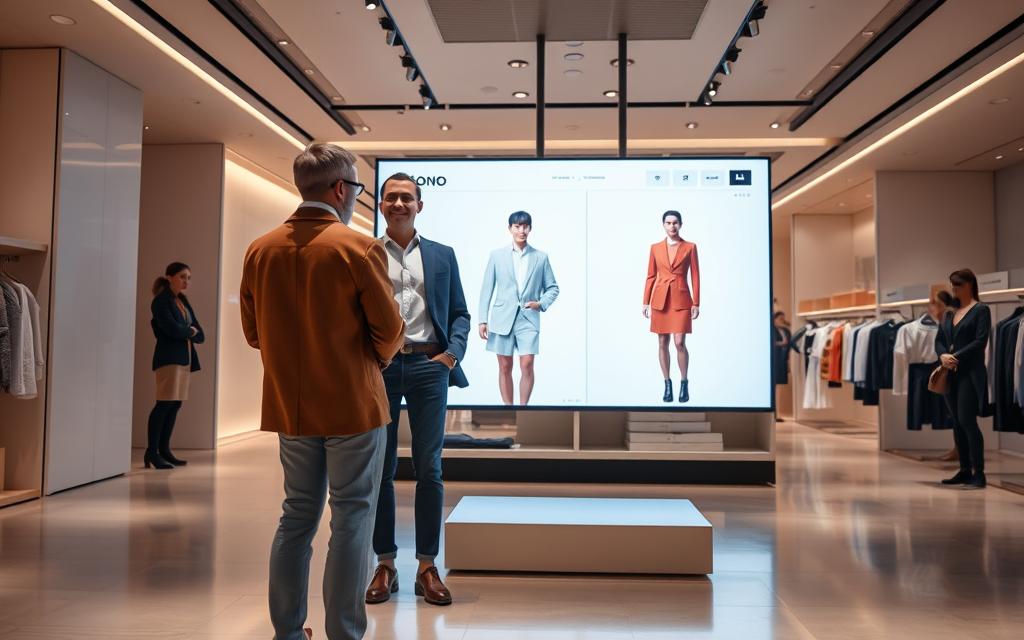
Studies show that visual search tools, like AR/VR, get people more excited than text searches. This shows that people love to shop in a more interactive way.
Virtual Fitting Rooms and Product Visualisation
Fashion and home decor stores are using virtual try-on tech. Now, you can see how clothes fit or furniture looks in your home before buying. This helps avoid returns and makes shopping more confident.
Smart algorithms make digital copies of products that work with real-world settings. They even consider things like lighting and textures.
AR-powered In-store Experiences
Stores are adding AR layers through mobile apps. You can scan products to get more info or play games. It makes shopping more fun and informative.
Some shops use AR to show digital maps or special deals. It mixes online and in-store shopping for the best experience.
VR Shopping Environments
VR stores are the latest in immersive shopping experiences. You can wear VR headsets to explore products in 3D from home. It feels like real shopping but without leaving your house.
Brands are making virtual spaces that match their style and values. Some even let you shop with friends in the same virtual space, no matter where you are.
AR and VR are changing how we shop. They help us understand products better and feel more confident when we buy. As tech gets better, we’ll see even more cool ways to shop.
Data Analytics: Turning Information into Strategy
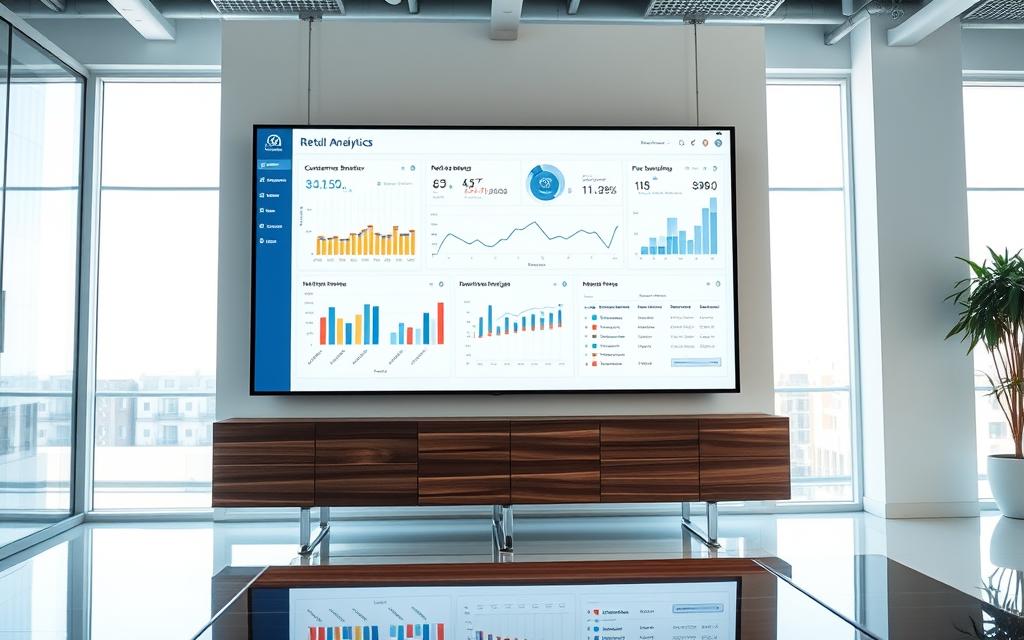
In today's retail world, data is key to all new technologies. Many retailers gather lots of data, but the real edge is turning it into strategies that grow their business. Looking at changing retail from alongside make infinite craft gives a clearer view of the wider topic. Good retail data analytics helps companies get to know their customers, improve how they work, and guess future trends well.
Customer Data Platforms and CRM Integration
Turning data into strategy starts with organising it well. Many retailers face a problem with data spread out in different places. This makes it hard to use the data effectively.
A strong customer data platform (CDP) fixes this by bringing all data together in one place. This lets retailers:
- Create detailed customer profiles
- Follow how customers move across different channels
- Send out personalised marketing
- Check how well their campaigns do
When linked with CRM systems, CDPs help give customers the experiences they expect. This tech is essential for making smart, data-based decisions in retail.
Real-time Analytics for Decision Making
Retail moves fast, so quick insights are key. Real-time business intelligence is vital for staying ahead. It looks at data as it happens, helping retailers adjust quickly.
This ability changes how retailers react to the market. They can change prices fast, tweak marketing campaigns, and adjust stock to meet changing customer needs. Quick insights are very important in a fast-changing industry.
Real-time analytics are great at:
- Watching website traffic and sales
- Tracking who’s in stores and how they move
- Managing stock levels everywhere
- Spotting and acting on new trends fast
Market Basket Analysis and Pattern Recognition
Market basket analysis is a top tool in retail. It finds products that often go together, showing hidden patterns in what customers buy. This helps retailers see connections between products that might not be clear to people.
These insights help retailers make smarter choices. They can place products better, tailor promotions, and create bundles to boost sales. Clean, organised data is key to making these techniques work well.
Using these methods right needs good data organisation, showing why customer data platform integration is so important. When done well, market basket analysis can increase sales and make customers happier with more relevant product suggestions.
As retail keeps changing, turning data into strategy will set leaders apart from followers. Companies that get retail data analytics right will not only know what’s happening now but also shape the future.
Payment Technologies: From Cash to Cryptocurrency
The way we pay for things has changed a lot. Now, we focus on speed, security, and making things easy for customers. This has changed how we buy things.
Contactless Payments and Digital Wallets
Contactless payments have changed how we shop. With Apple Pay and Google Wallet, you just tap your device to pay.
QR code payments are also popular, where phones are common. They’re fast and clean, making shopping safer and quicker.
Digital wallets make things even easier. They keep all your payment info safe and let you access deals and loyalty points easily.
Biometric Authentication Systems
Biometric payments are the latest in security. They use things like fingerprints or facial scans to check who you are.
They’re super secure and easy to use. No need for passwords or pins, just a quick scan to pay.
Big stores are trying out different biometric methods. Some use fingers, others faces, for extra security.
Blockchain and Cryptocurrency Adoption
Blockchain is changing retail, not just for digital money. It’s making supply chains more open and secure.
It lets people check if products are real and where they came from. This helps fight fake goods and ensures items are ethically made.
For expensive items, blockchain stops counterfeits. It gives each product a unique digital mark that can’t be copied.
Even though digital money is new, it could lower costs and make payments easier. It’s something retailers should keep an eye on.
Supply Chain and Logistics Innovations
Every smooth shopping experience relies on a complex network of logistics. These have changed a lot. Modern retail’s success now depends on automated logistics systems. They move products from maker to buyer very efficiently.
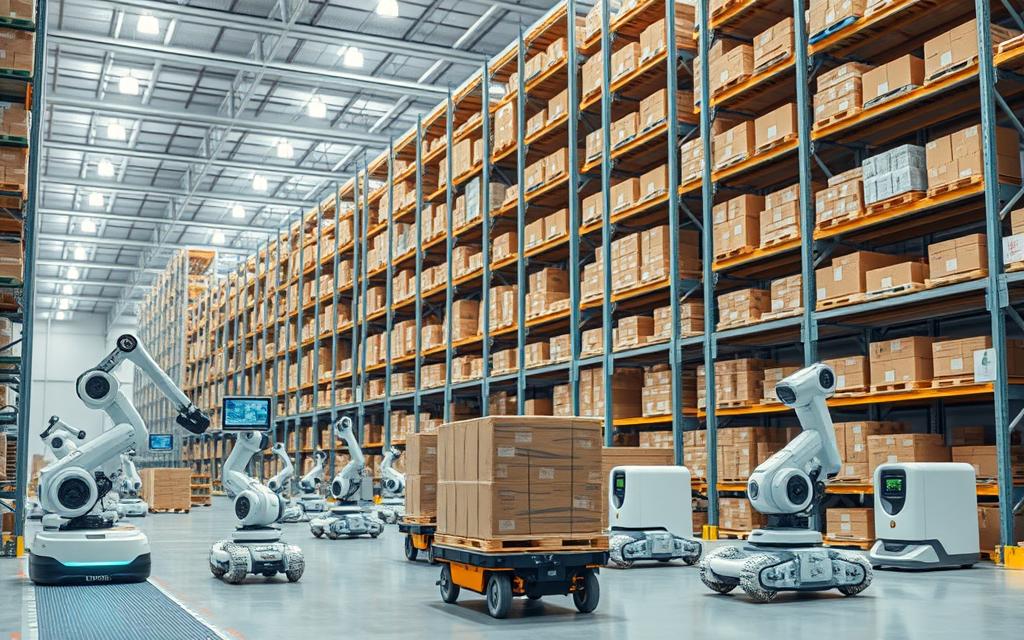
Automated Warehouses and Robotics
Fulfilment centres have become tech wonders. Robotics do the hard work. Autonomous mobile robots find products with great accuracy.
These robots work with automated sorting and packing. This cuts down on mistakes and speeds up work. Big names like Amazon and Ocado lead in automated logistics. They handle thousands of orders every hour.
These robots work all day, every day. They meet the need for quick delivery. Artificial intelligence helps them get better over time.
Drone Delivery and Last-mile Solutions
The last mile of delivery is hard and costly. Drone delivery services are changing this. They test drones for fast parcel delivery.
Most people want fast delivery. This pushes 42% of retailers to offer same-day service. Drone delivery services could make delivery times much shorter.
“The last mile is both the biggest challenge and chance in modern retail logistics.”
There are also autonomous ground vehicles and smart lockers. They offer flexible delivery options. These solve city traffic problems and meet customer needs for ease.
Real-time Tracking and Transparency
Today’s shoppers want to see where their order is. Advanced tracking systems offer supply chain transparency. They track location, temperature, and handling.
This supply chain transparency builds trust. It also helps manage customer hopes. Retailers can fix delays and customers know when to expect their package.
This data also helps improve future operations. It spots problems and chances for better delivery.
This clear view of delivery is a big step forward. It makes customer service and operations better. The mix of tracking tech and data analytics makes delivery open and quick.
How Technology Is Changing Retail Workforce Dynamics
The retail sector is changing fast, thanks to new technology. This change isn’t just about how we shop. It’s also changing the jobs people do in retail.
Now, employees are learning to use new tech skills. They mix old retail skills with new tech knowledge.
Automation and Job Transformation
Automation is taking over tasks that used to be done by hand. Things like self-checkouts and AI for stock checks are making some jobs less needed.
But, this doesn’t mean jobs are disappearing. Instead, jobs are changing to be more about helping customers and understanding sales data.
Workers are now more like brand helpers and problem solvers. They’re not just about counting products anymore.
The automation impact on jobs means workers can learn new skills. They become more than just transaction helpers.
“Technology doesn’t replace people—it redefines their contributions, allowing human intelligence to focus where it matters most.”
Upskilling and Digital Literacy Requirements
Today’s retail jobs need new skills. Workers must use complex systems, understand data, and work with AI tools every day.
This retail workforce upskilling is a big challenge and chance for the sector. Companies that train in digital skills see happier employees and customers.
Key digital skills for today’s retail workers include:
- Basic data interpretation and reporting
- AI tool operation and management
- Digital customer service platforms
- Inventory management software proficiency
Human-AI Collaboration in Customer Service
The best retail teams use both human smarts and AI. AI chatbots handle simple questions, freeing up humans for more complex tasks.
This human and AI collaboration creates a better service model. Tech handles simple queries, while humans deal with complex issues and build strong customer relationships.
Studies show this team-up makes services better and happier for customers. People like quick answers to simple questions but value human touch for deeper interactions.
| Traditional Role | Technology-Enhanced Role | Required New Skills |
|---|---|---|
| Cashier | Customer Experience Specialist | Conflict resolution, product expertise |
| Stock Clerk | Inventory Analyst | Data interpretation, predictive ordering |
| Sales Associate | Brand Ambassador | Social media engagement, personal styling |
| Customer Service Agent | AI-Human Liaison | Tech troubleshooting, complex case management |
The future retail workforce will be all about managing and using technology. They’ll be the human touch that makes automated systems better. This change needs constant learning from both workers and employers. But it promises more interesting and valuable jobs.
Future Trends: What’s Next for Retail Technology
The retail world is changing fast, with new tech set to change how we shop. These new tools will make shopping better and more personal. Three key areas are leading this change.
Voice Commerce and Smart Speaker Integration
Voice shopping is making shopping easier and more hands-free. Devices like Amazon Alexa and Google Home are becoming key shopping tools. Now, you can buy things just by talking to them.
This tech does more than just take orders. It can answer complex questions and suggest products based on what you say. It even works with smart homes to order things automatically.
Hyper-personalisation through Advanced AI
Next, personalisation will get even better with AI. This AI is smart and can make choices on its own. It doesn’t just react to what you do; it predicts what you might want next.
AI can now create shopping experiences just for you. It looks at all your interactions and gets better at guessing what you’ll like. This makes shopping feel like it’s made just for you.
This tech really gets you, understanding what you need before you even ask. It’s a big step forward in making shopping better for everyone.
Sustainable Technology Solutions
Now, tech is also making shopping better for the planet. It helps stores be more eco-friendly and efficient. This includes:
- Optimised logistics routes that cut down on emissions
- IoT sensors that save energy in stores
- Blockchain for checking if products are made ethically
- Smart inventory systems that cut down on waste
These solutions help stores be good for the planet while also saving money. More and more people want to shop from brands that care about the environment. This tech is good for both the planet and businesses.
The future of shopping is all about being smarter, more personal, and kinder to the planet. These new trends show how tech is changing what we expect from shopping and how businesses operate.
Conclusion
The retail world has changed a lot, thanks to new tech. E-commerce and artificial intelligence are leading the way. They’re changing how shops work and how they talk to customers.
Key tech advancements include AI for personal experiences, AR and VR for immersive shopping, and IoT and data analytics for better operations. AI in e-commerce is becoming more popular. It’s seen as a key tool for growing and staying competitive.
Keeping up with tech changes is now a must for shops to survive and grow. They need to keep investing in and using these new tools to stay in the game.
The future of shopping will see even more tech used. Shops will need to be quick to adapt and have a good plan for this.
FAQ
What is omnichannel retailing?
Omnichannel retailing combines different shopping ways into one. This includes physical stores, online sites, mobile apps, and social media. It makes sure customers have a smooth experience, whether they shop online or in-store.
How does artificial intelligence improve customer service in retail?
Artificial intelligence boosts customer service with AI chatbots and virtual assistants. They work 24/7, answering simple questions and solving complex ones. This frees up human staff to deal with more important tasks, making customers happier and more loyal.
What are the benefits of using IoT in retail operations?
The Internet of Things (IoT) brings many benefits to retail. It tracks stock in real-time with smart shelves and helps customers find their way with beacons. It also improves supply chain management and helps prevent theft. All these help reduce waste and improve customer data.
How do recommendation engines like those used by Amazon and Netflix work?
Recommendation engines use machine learning to understand what customers like. They look at what people buy and what they’re interested in. This way, they suggest products that match what customers want, making shopping more enjoyable and increasing sales.
What role does data analytics play in modern retail strategy?
Data analytics turns raw data into useful insights. It looks at customer information from different places and finds trends. This helps retailers make better decisions on marketing, stock, prices, and displays, making their business more efficient and profitable.
How is augmented reality being used in retail today?
Augmented reality (AR) lets customers see products in their own space. They can try on clothes virtually or see how furniture fits in their home. AR also makes in-store shopping better by adding digital info to products, helping customers make better choices.
What are the advantages of contactless payments and digital wallets?
Contactless payments and digital wallets are fast, easy, and safe. They speed up checkout, reduce contact, and protect financial info from fraud. This makes shopping more convenient and secure.
How is automation changing the retail workforce?
Automation is changing retail jobs by taking over tasks like checkout and stock management. This lets people focus on more important tasks like helping customers and solving problems. It also means more need for skills in digital areas.
What future trends are shaping retail technology?
New trends include voice commerce, hyper-personalisation, and sustainable tech. Voice commerce uses smart speakers, while hyper-personalisation uses AI to meet customer needs. Sustainable tech aims to make shopping more eco-friendly and efficient.
How does blockchain technology benefit retail supply chains?
Blockchain makes supply chains more transparent by tracking products in a secure, shared ledger. It helps prove products are real, stops counterfeiting, and ensures goods are sourced ethically. Looking at changing retail from alongside can endless possibilities gives a clearer view of the wider topic. This is great for high-value items and things where where the product's history is important.